Back to Don's Maps
 Back to Animals of Lake Mungo
Other Mungo Animals
Click on the photos to see an enlarged version
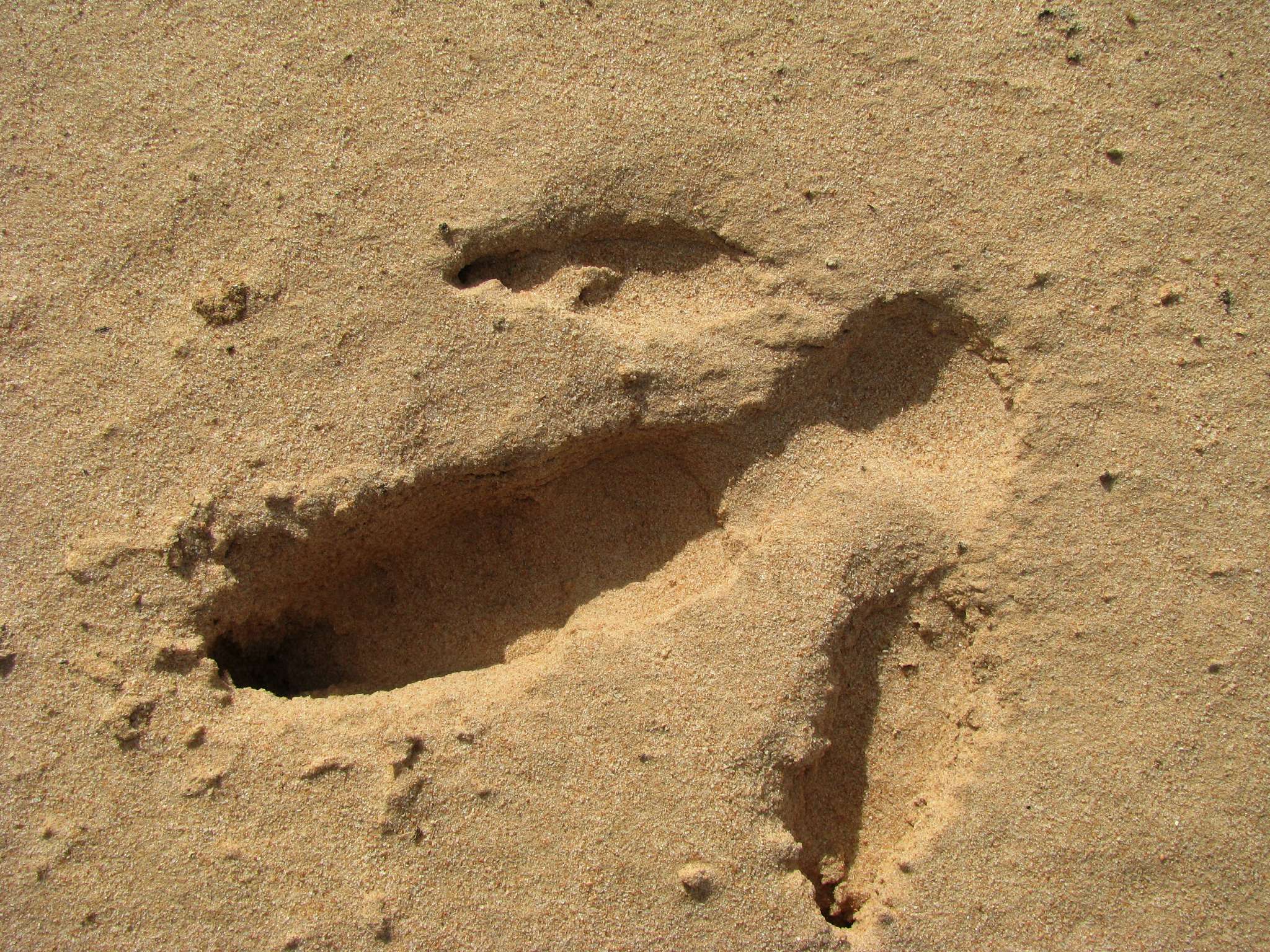
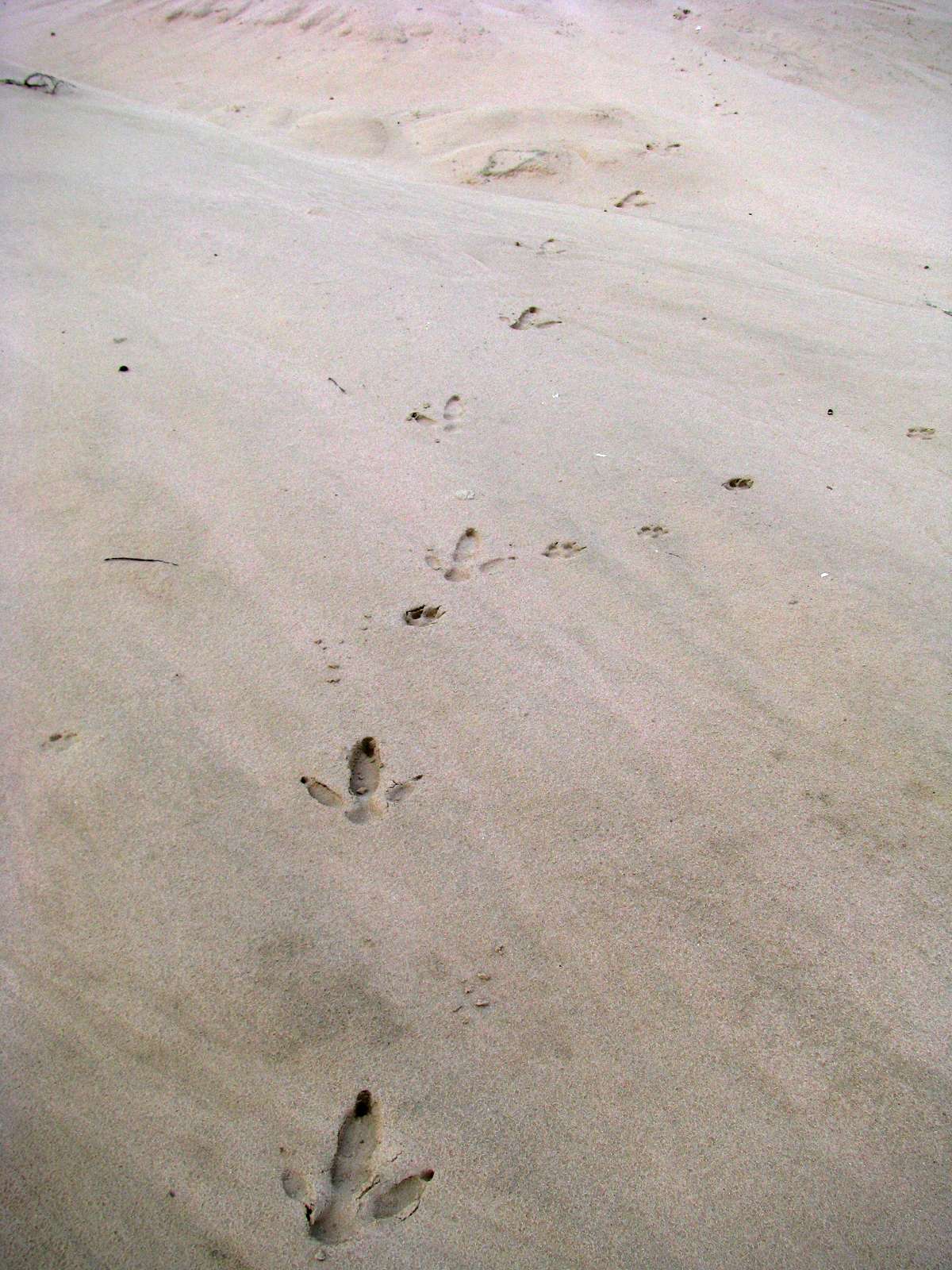
(Left) Emu print. (Right) Emu and dingo prints crossing. Both sets looked fresh.
Photo: Don Hitchcock 2009
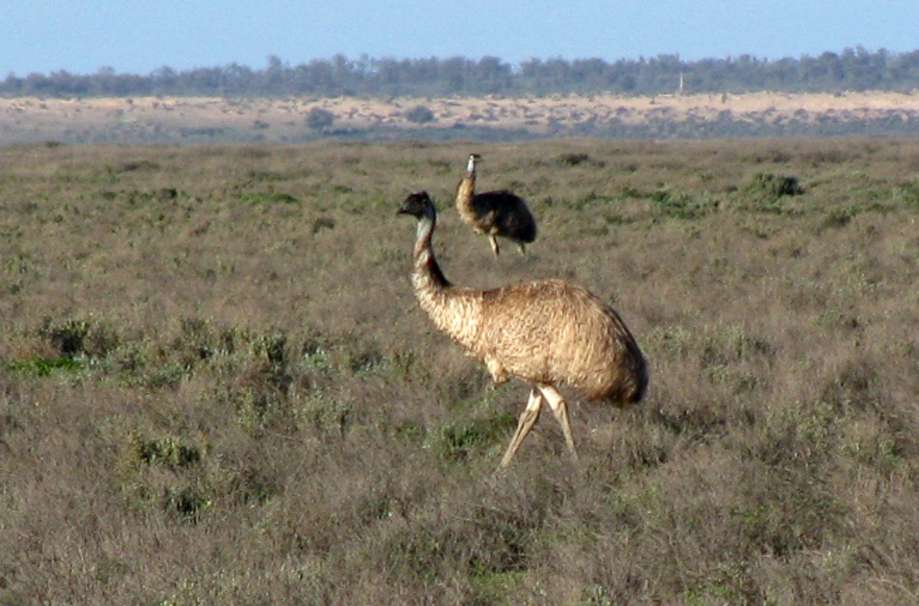
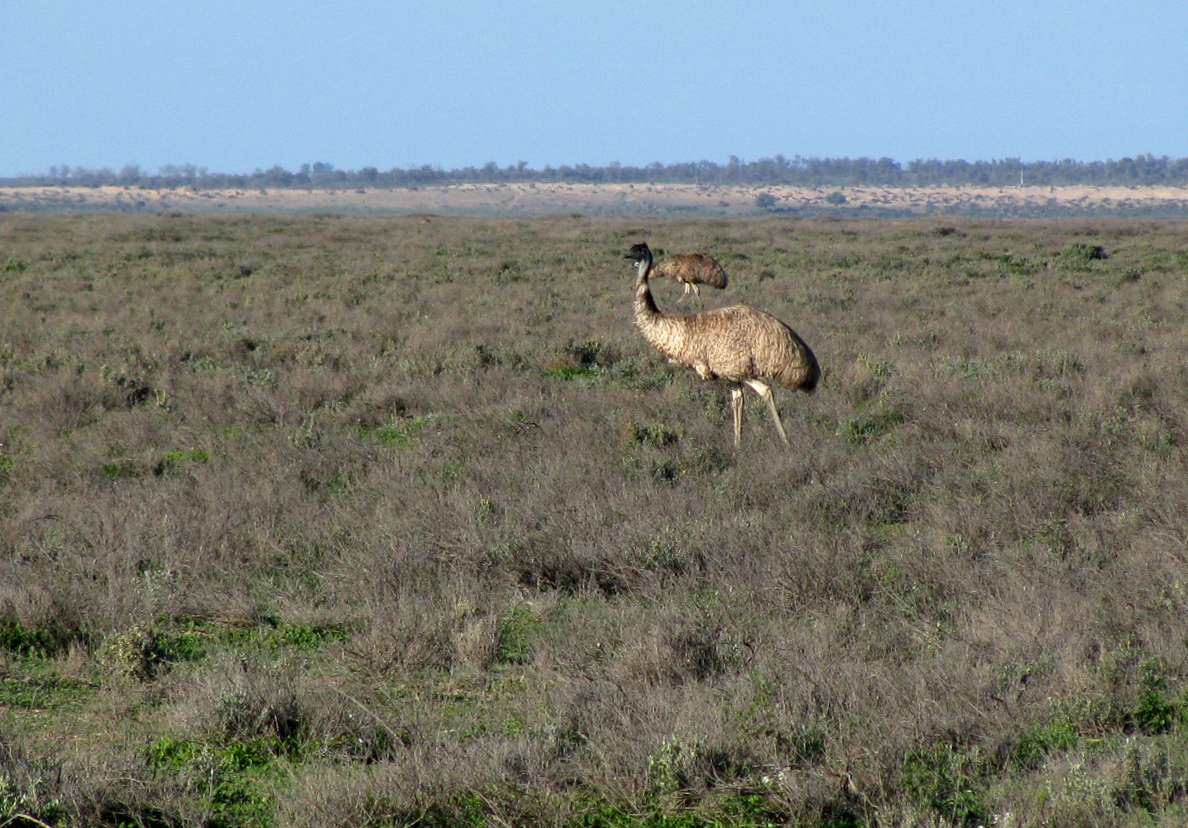
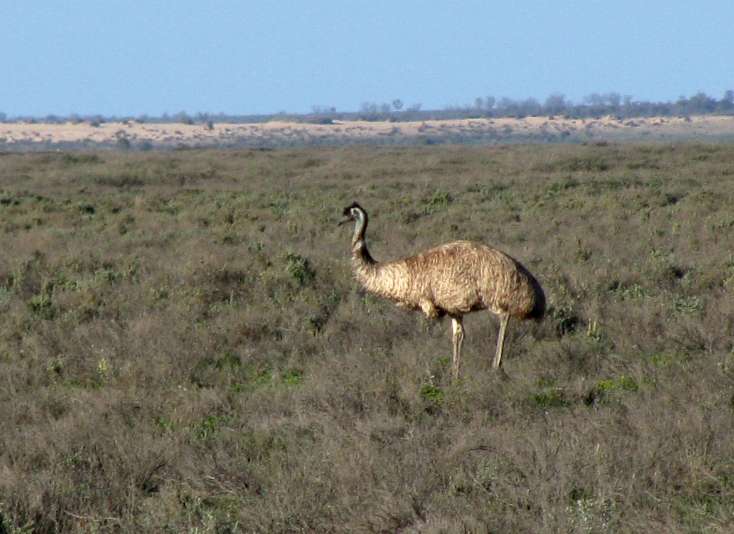
Emus on the dry bed of Lake Mungo, on the way from the interpretation centre to the walls of china. The lake bed has not suffered permanent degradation by feral and introduced animals such as rabbits and sheep, since it is so flat. With the removal of the sheep, and efforts to control the rabbits, the bed of the lake has recovered well from its former over-grazed state, in marked contrast to the lunettes on the eastern side, and the lake walls on the west, both are heavily eroded and still actively eroding.
The western edge of the lake is visible in the background, and is the area where all the silcrete for stone tools was found.
Photo: Don Hitchcock 2009
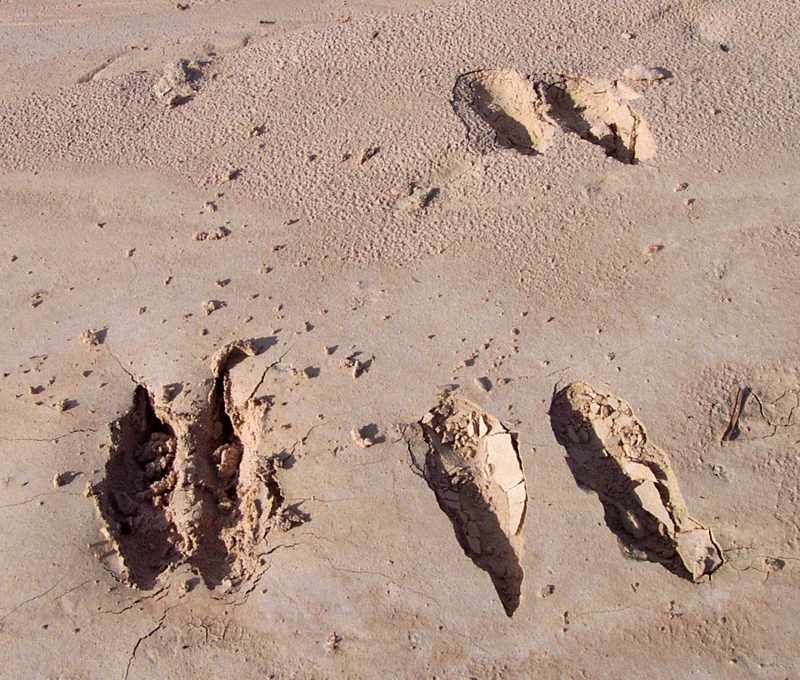
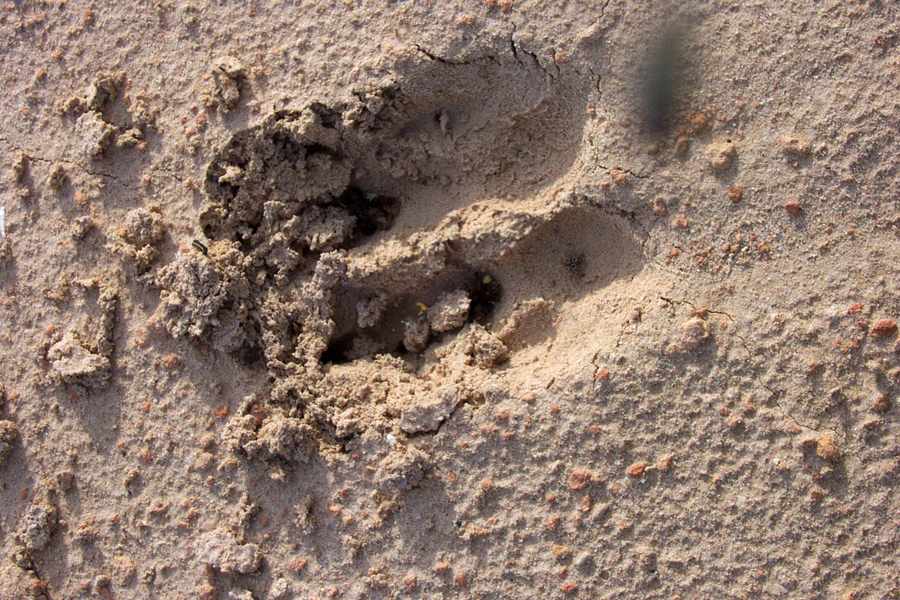
Roo prints. Kangaroos hop, so their prints are usually together as their feet hit the ground and rebound, losing little energy in the process.
Photo: Don Hitchcock 2005
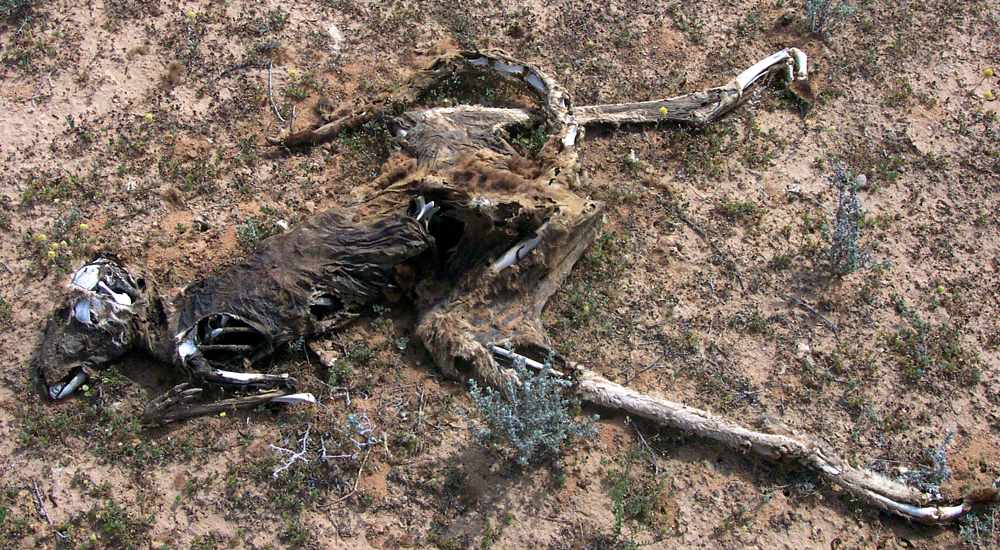
Kangaroos in the wild have a lifespan of about 15 years.
Photo: Don Hitchcock 2005

A track made by kangaroos and wallabies, presumably from water to grazing areas. Some parts of Lake Mungo store water for short periods of time after rain.
Photo: Don Hitchcock 2009
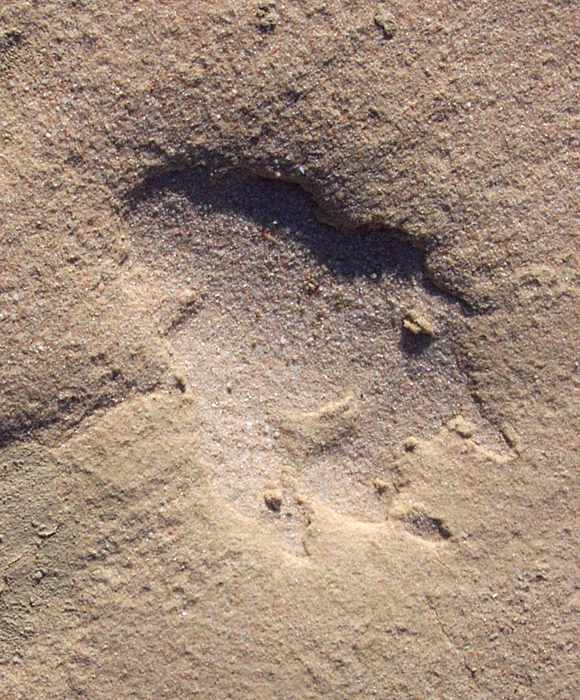
A wombat pawprint.
Photo: Don Hitchcock 2005
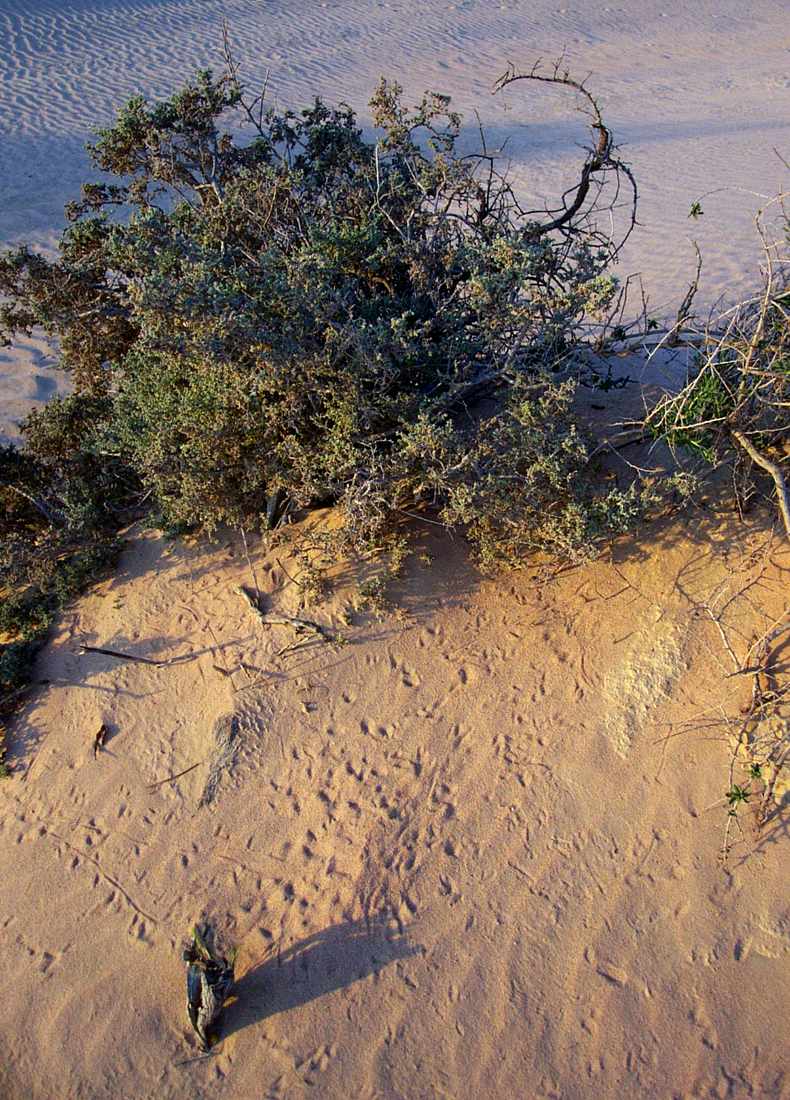
Animal tracks in the sand.
Photo: Don Hitchcock 2005

Tracks in the sand. I would love to know which animals were responsible for these tracks.
Photo: Don Hitchcock 2005
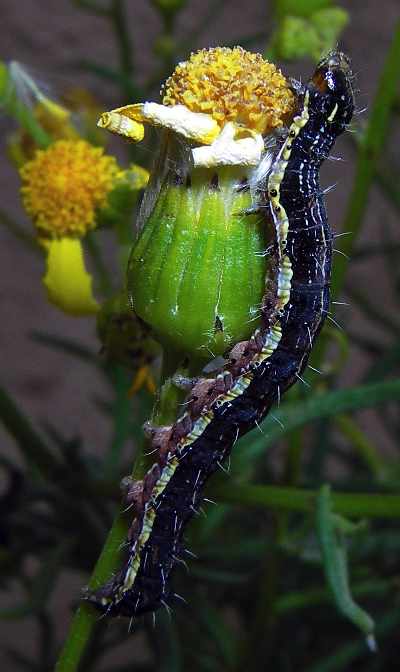
One of the millions of a single species of caterpillar in the area at the time the photographs were taken.
Photo: Don Hitchcock 2005
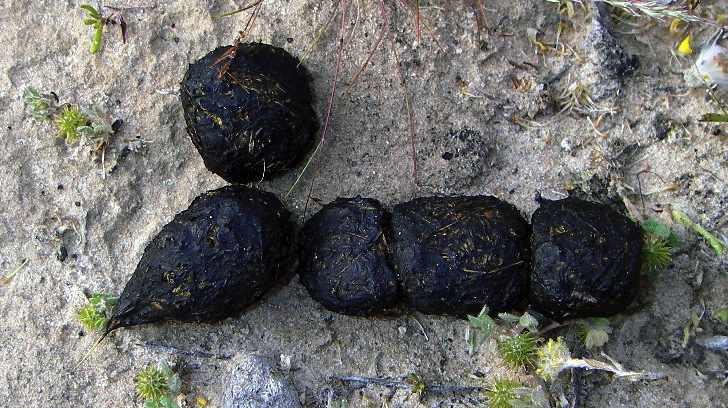
This looks like the characteristic rectangular shape of wombat scat.
Photo: Don Hitchcock 2005
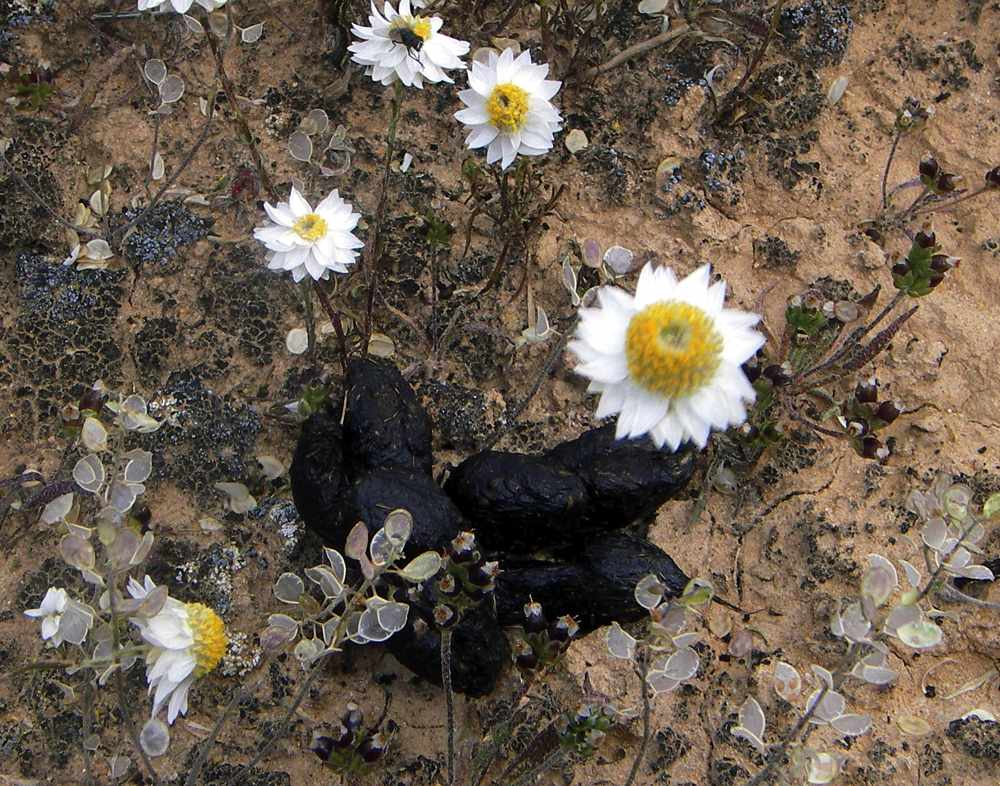
Possibly wombat scat. Note also the paper daisies, a flower which appears after rain, and the lichen on the ground, which helps protect against erosion where the lichen covers the ground.
Photo: Don Hitchcock 2005
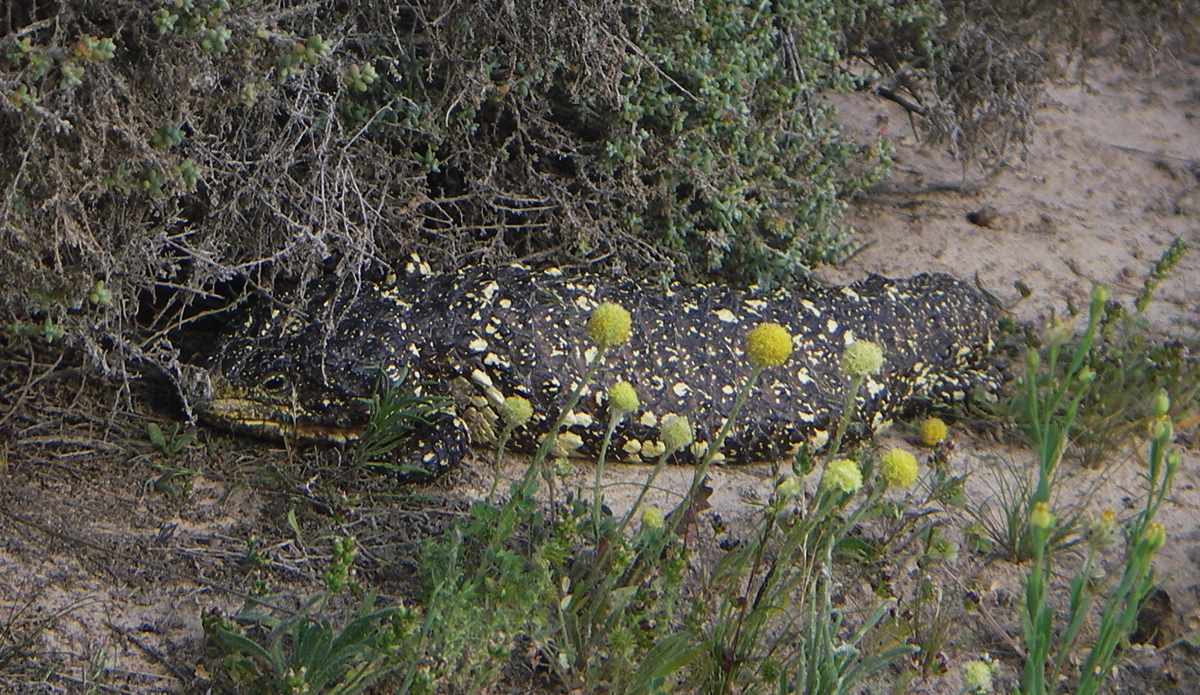
Sleepy Lizard sheltering under a low bush.
Photo: Don Hitchcock 2005
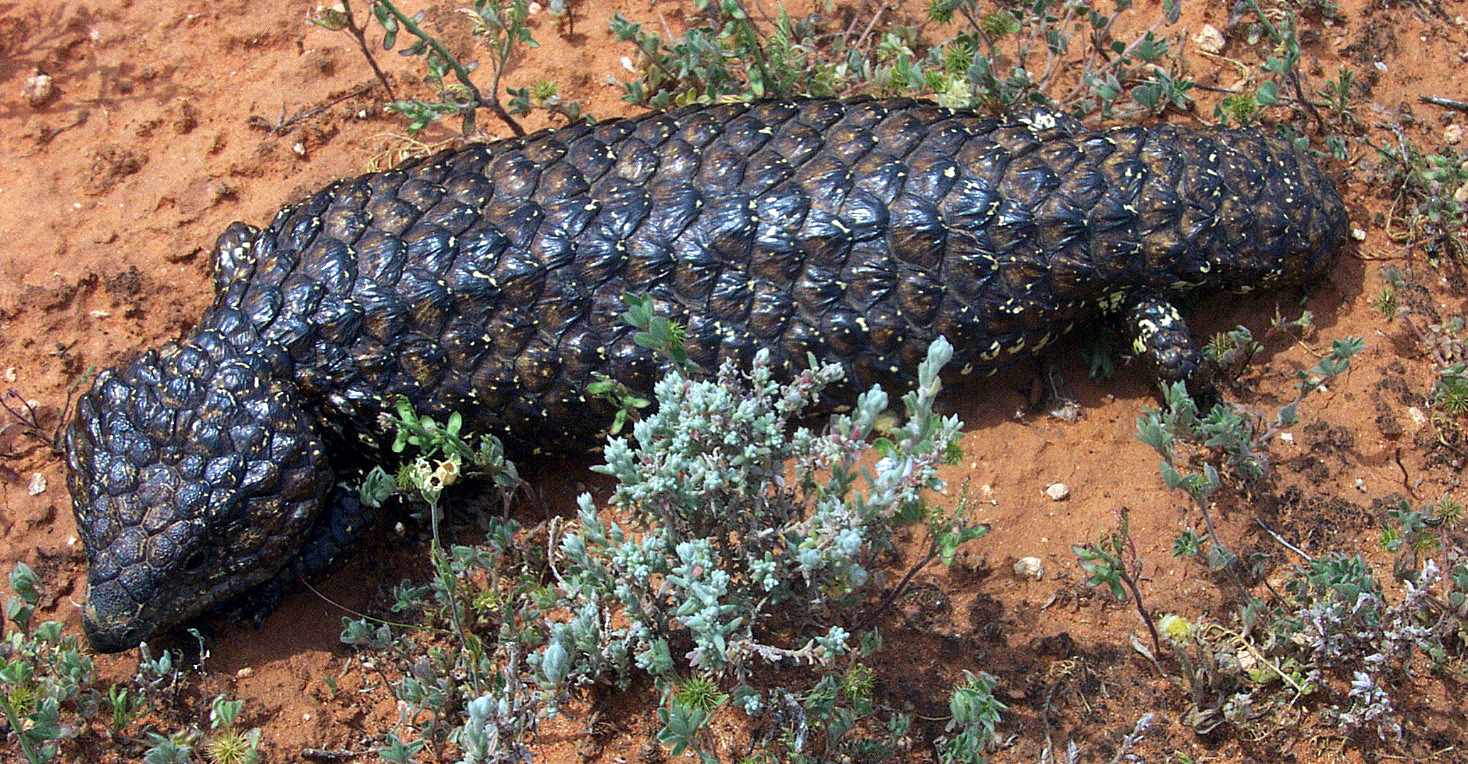
Sleepy lizard soaking up the sun in the early morning.
Photo: Don Hitchcock 2005
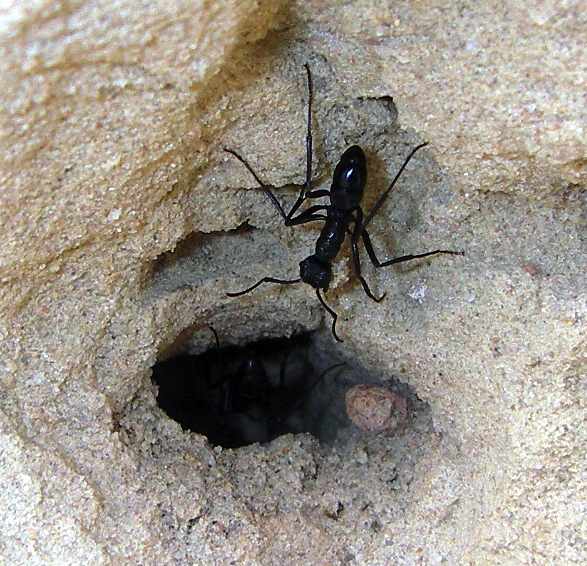
These ants have taken up residence in the sediments, illustrating the fragility of the coherence of the sediments, and their susceptibility to erosion.
Photo: Don Hitchcock 2005
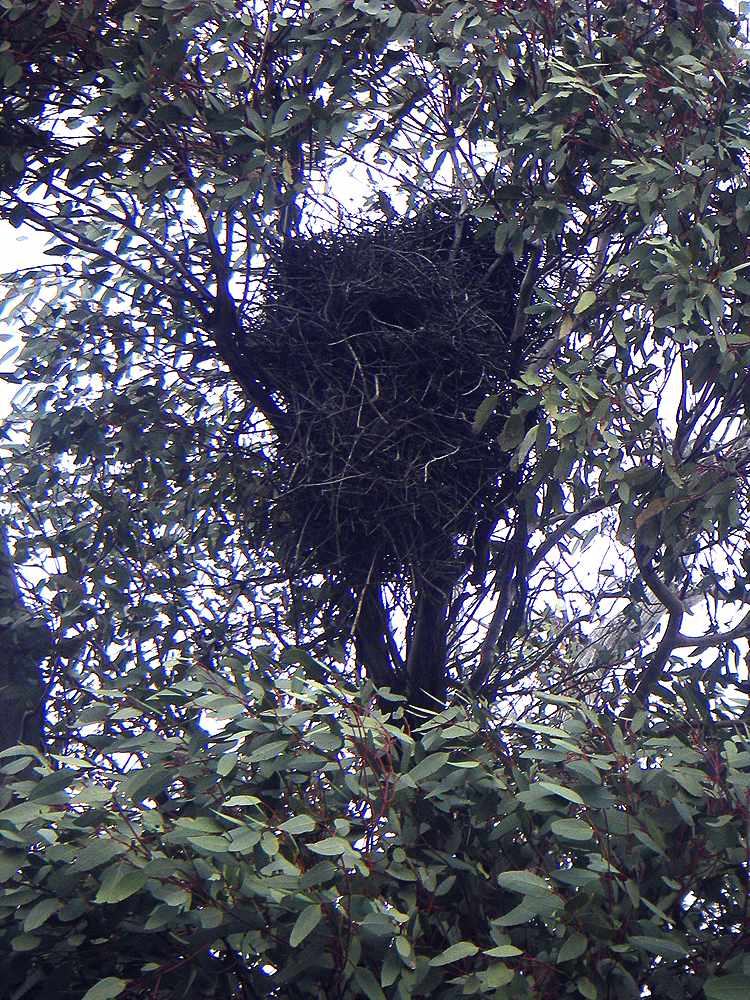

Wedge tailed eagle nests.
Photo: Don Hitchcock 2005, 2009
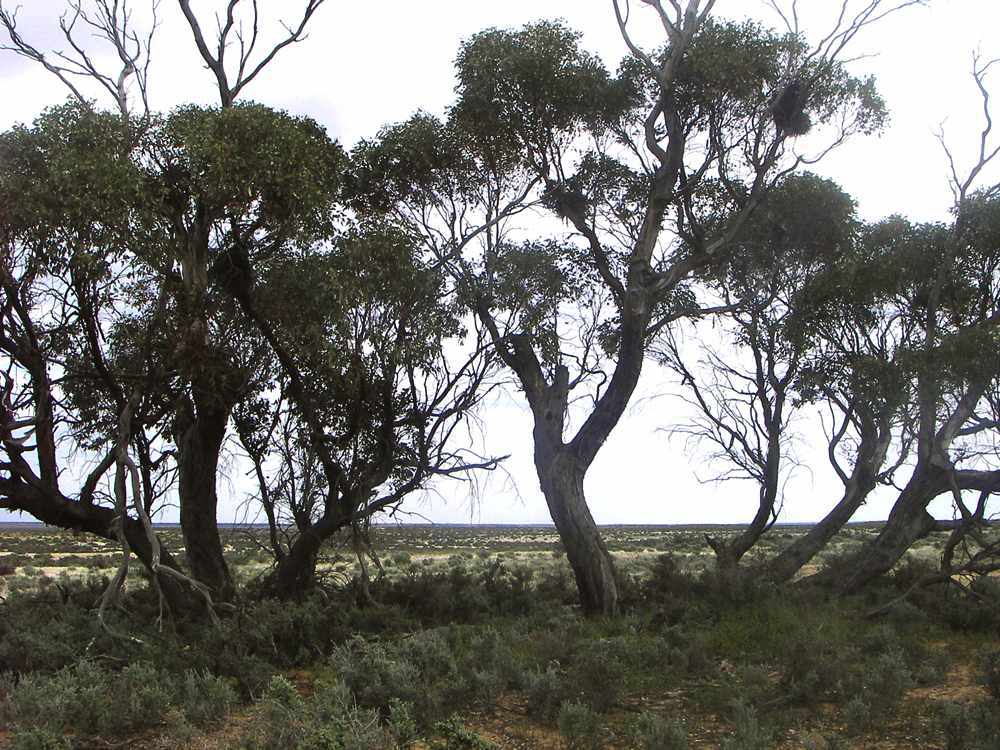
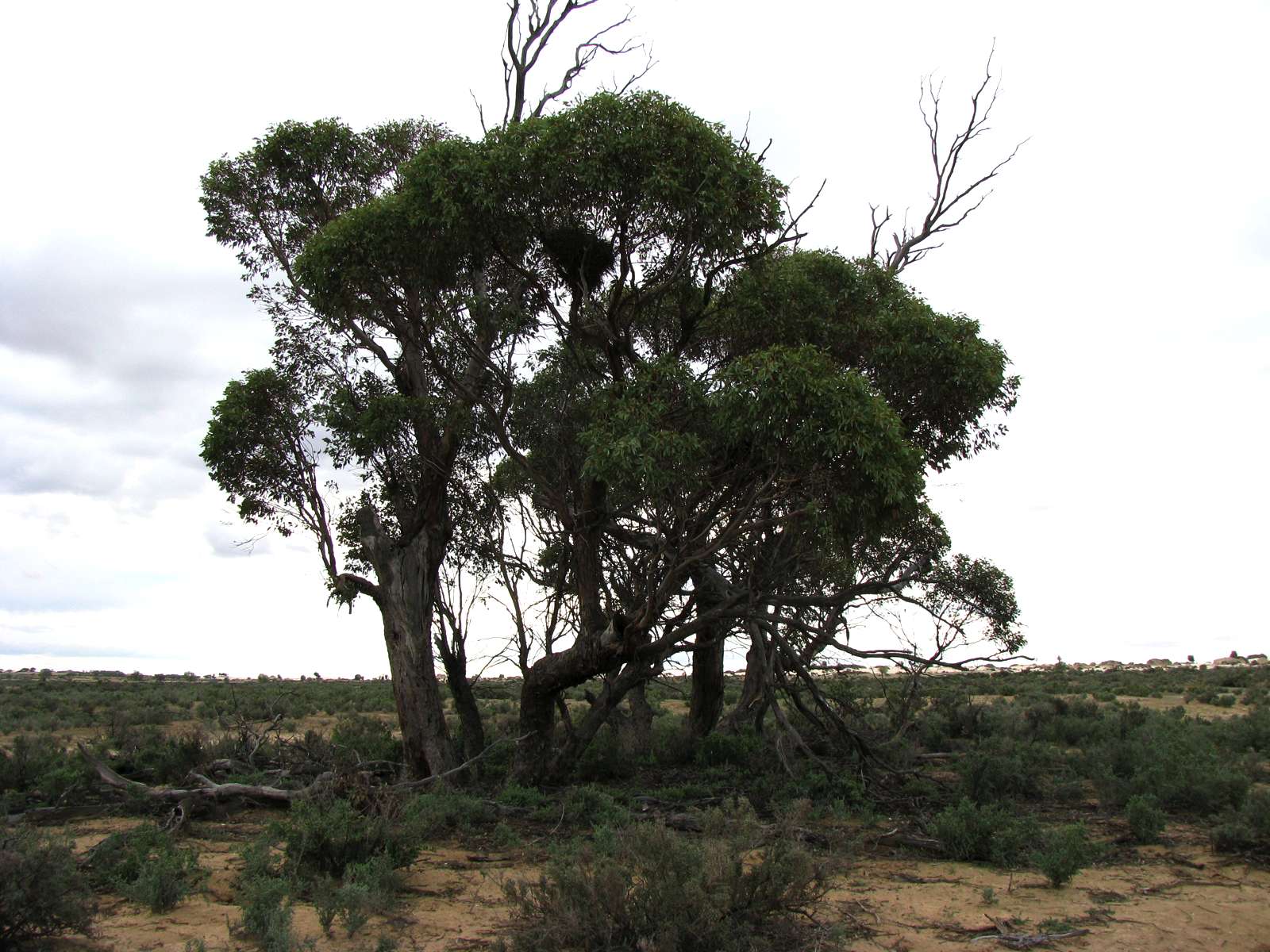
Suitable trees for nests are at a premium. Normally wedge tailed eagle nests would never be placed as close together as this, you would expect only one nest to each group of trees, as eagles are very territorial. Things must get a little tense at times.
Photo: Don Hitchcock 2005, 2009
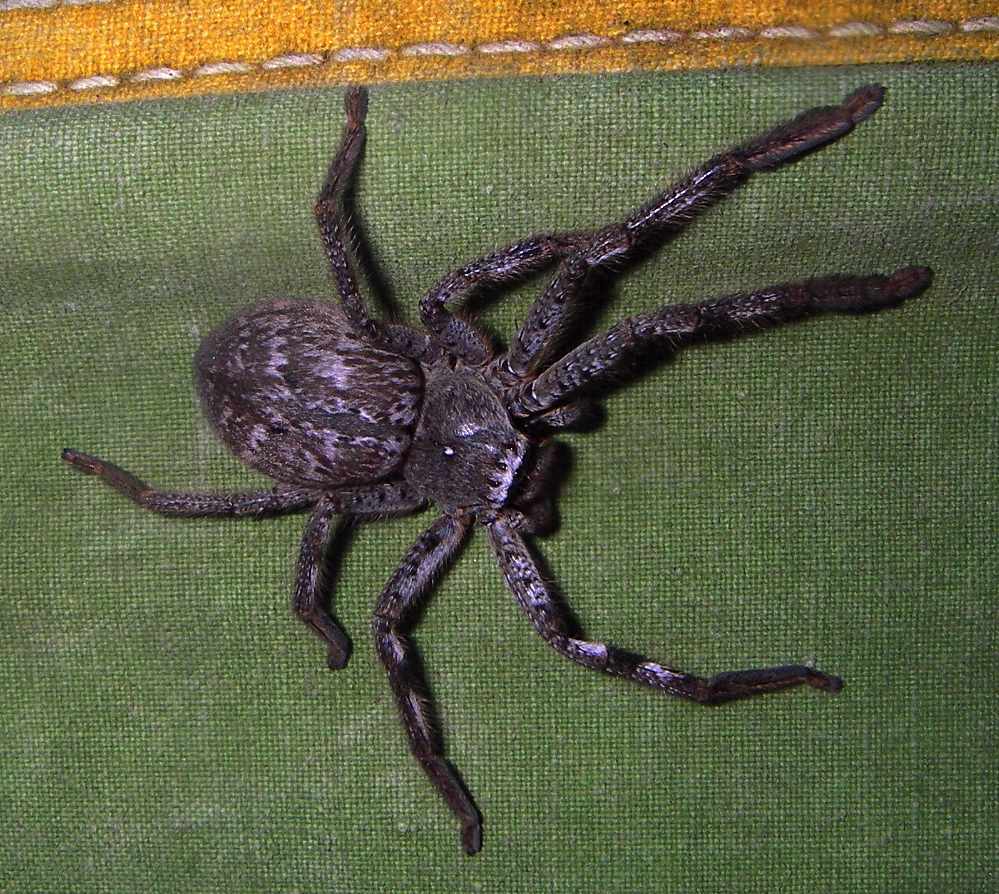
Spider on the tent at the Lake Mungo camping grounds.
Photo: Don Hitchcock 2005
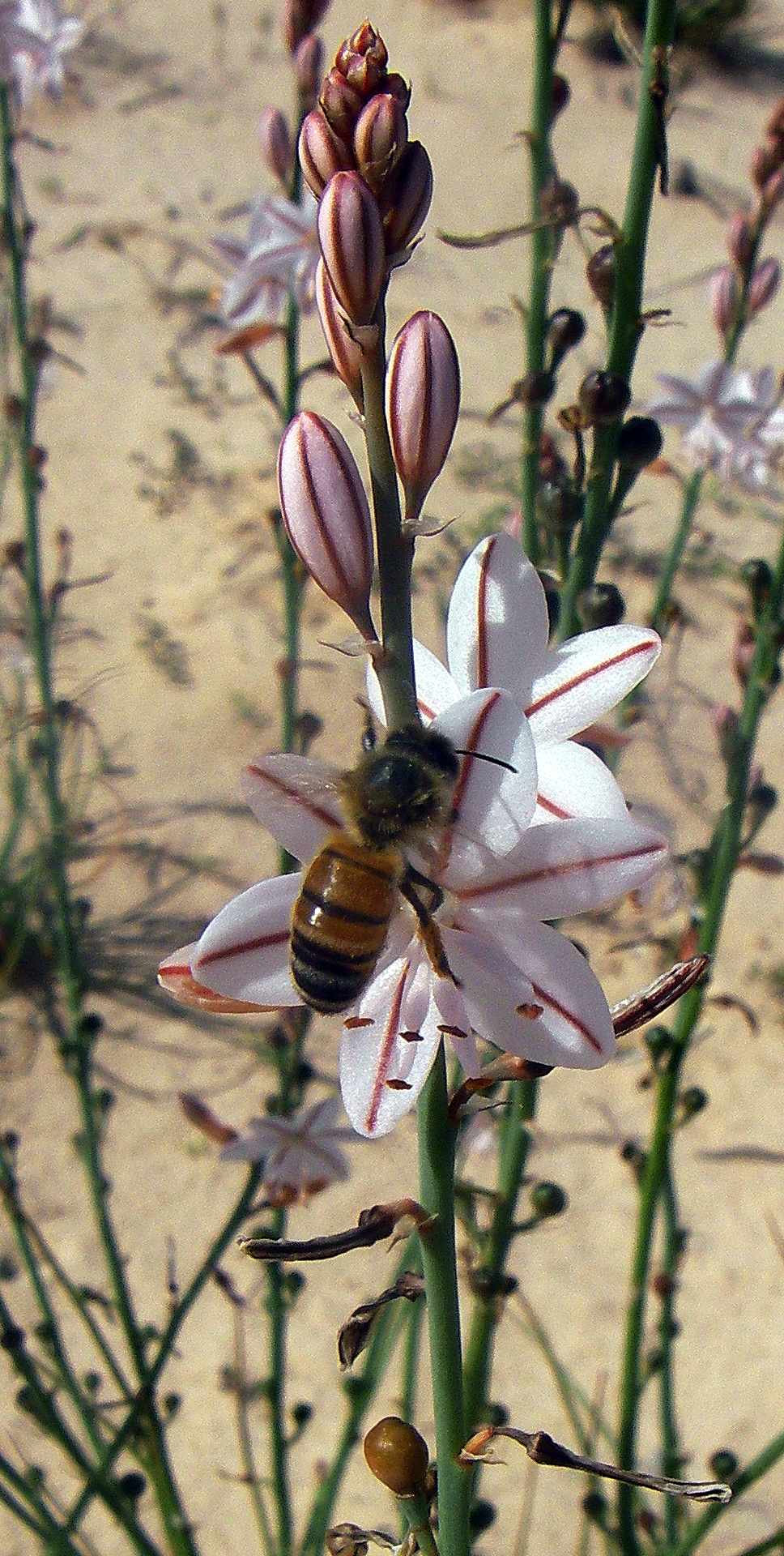
European bee on a lily. It is interesting that honeybees have adapted well to arid conditions. There are many different species of native bees which are stingless, but are not so well adapted to the honey industry.
Photo: Don Hitchcock 2005