Back to Don's Maps
Back to Venus figures from the Stone Age
The Moravany Venus
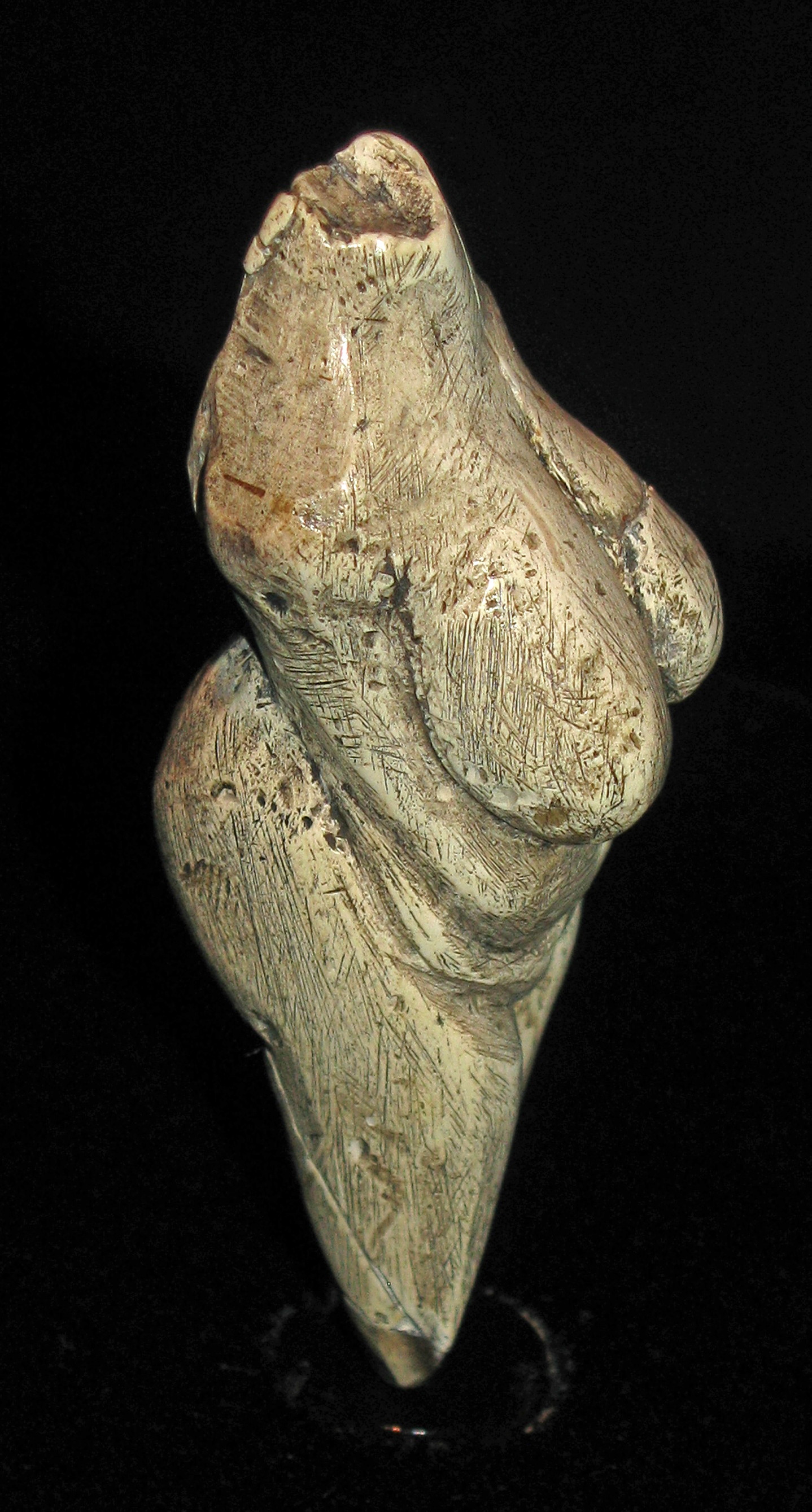
The Moravany venus is 76 mm tall. The venus was discovered in the area of Moravany nad Váhom, a village near the spa resort Piestany in Slovakia.
My thanks to Ondrej Žaár, an archaeologist from the Slovak Republic, for the following:
It is officially dated 22 800 BP and belongs to the shouldered points horizon (Willendorf-Kostenkian or upper gravettian). All of the gravettian sites in the Moravany nad Váhom complex belong to Willendorf-Kostenkian.It was ploughed up in a field sometime in 1938. Later it appeared in Paris. The sculpture was finally returned to Slovakia due to the work of Zotz and Freund, and Dr J Bárta.
Gravettien culture (30-20 000 BP) in central Europe is divided into three phases:
Older Pavlovian (30-27 000 B.P.)
Younger (developed) Pavlovian (27-23 000 BP)
Willendorf-Kostenkian (23-20 000 BP) - the venus from Moravany belongs here (22 800 B.P.)
Given that the faces of Venus figures are often depicted in a minimalist fashion or obscured in some way, it is possible that the sculpture was created without a head.


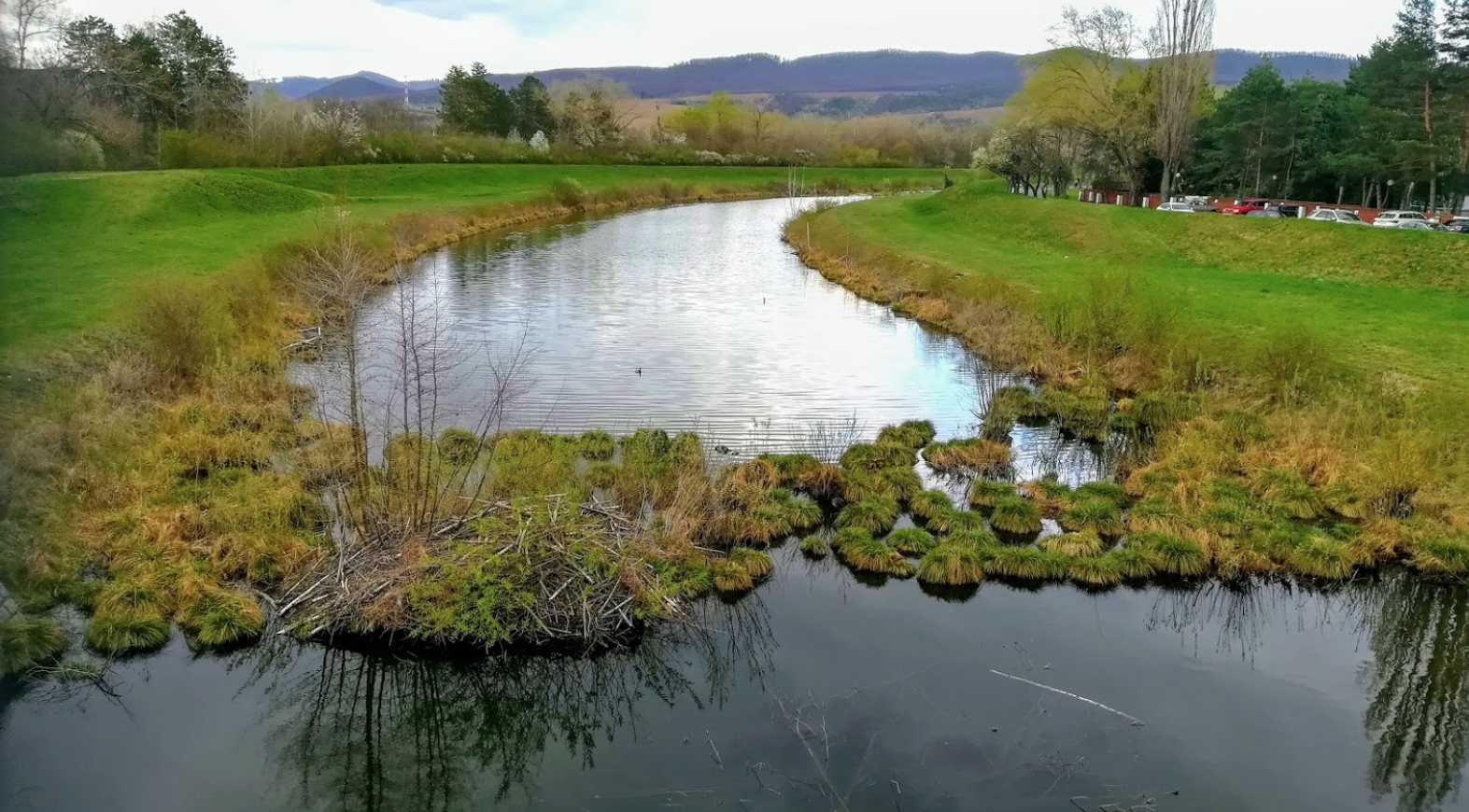
Moravany nad Váhom is a beautiful place in Slovakia.
Photo: Marian Valo
Source: Google Maps
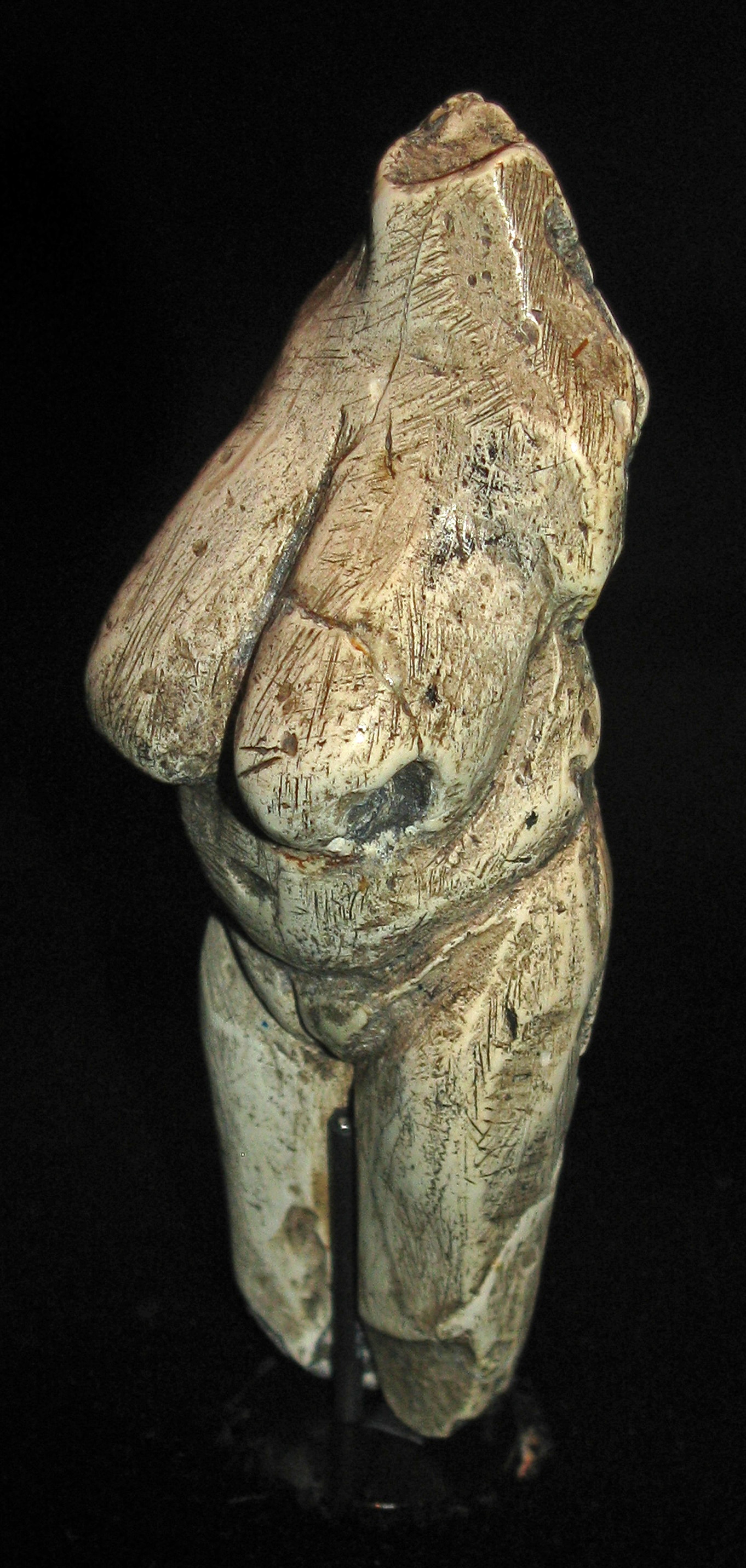
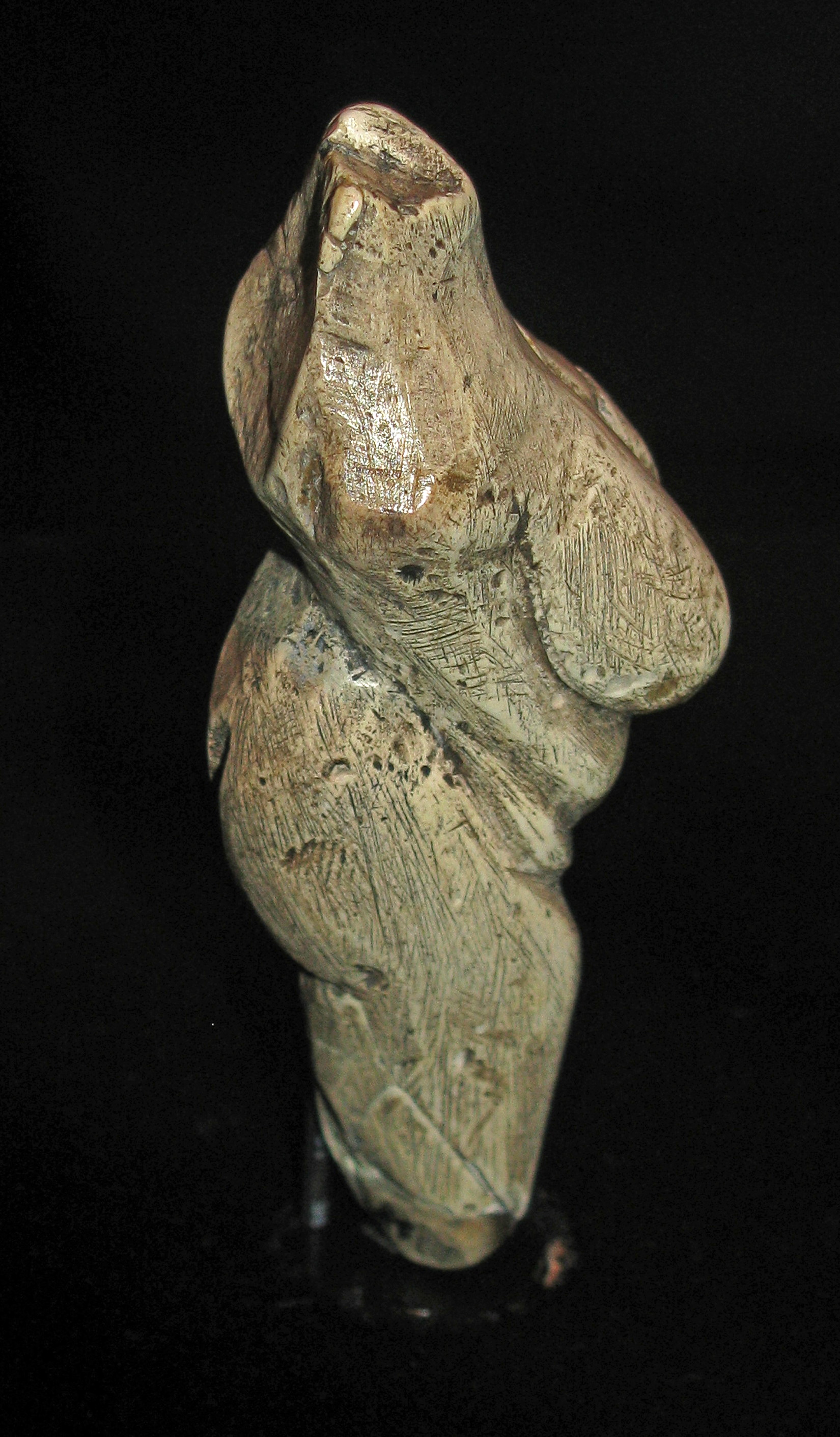


The card with the venus states:
Venus von Moravany
Slowakei
Elfenbein
22 000 - 24 000 Jahre
Leihgabe: Slowakische Akademie der Wissenshaften in Nitra
Slovakia
Mammoth Ivory
22 000 - 24 000 years
Loan: Slovak Academy of Sciences in Nitra
Photo: Don Hitchcock 2008
Source: Display at Vienna Natural History Museum.
Although it was on loan from the Slovak Academy of Sciences, it is almost certainly a high quality facsimile, since Ondrej Žaár reliably informs me that the original is kept in the National Bank in Slovak Republic.
In addition, as he says, "Back in the 80's there were a lot of cast copies made for public display and for sale, and they have slightly different colors. It seems a little bit too dark to me with highlighted scraped lines on it, just like one of the cast series."
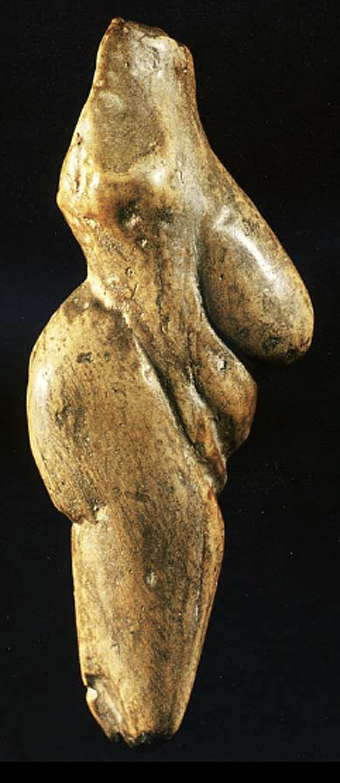
Another version of the Moravany Venus, which appears markedly different to that in the Vienna Natural History Museum.
It appears polished, whereas the original had many abrasions from the tools used to carve the figure.
In addition, the right breast seems to have been rounded out, whereas the original had had the side of that breast flattened somewhat, presumably because of delamination of the ivory used.
Photo: Roger Joussaume, CNRS
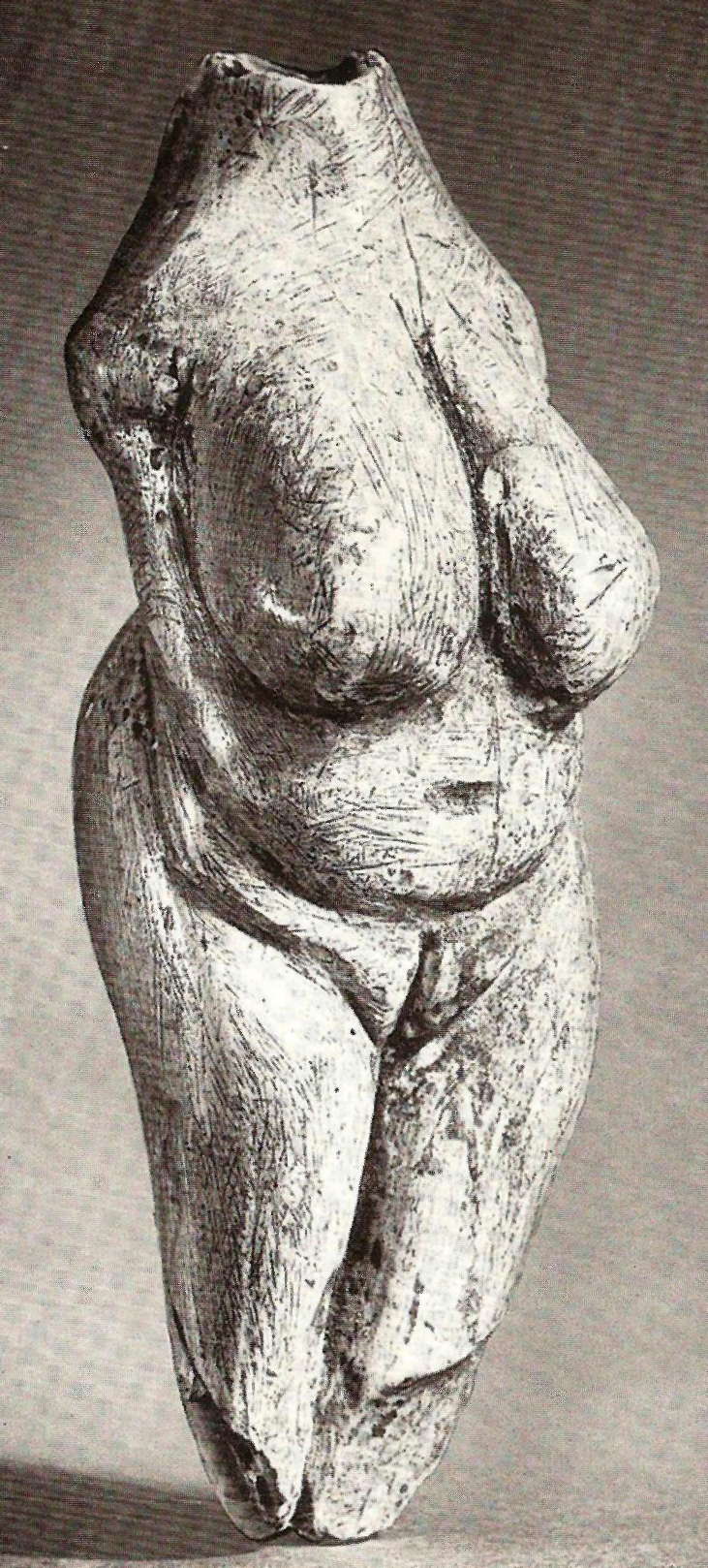
This image shows that it had been left with many scratches from the modelling tools used, it was not smoothed off to a lustrous finish.
Photo: Drößler (1980)
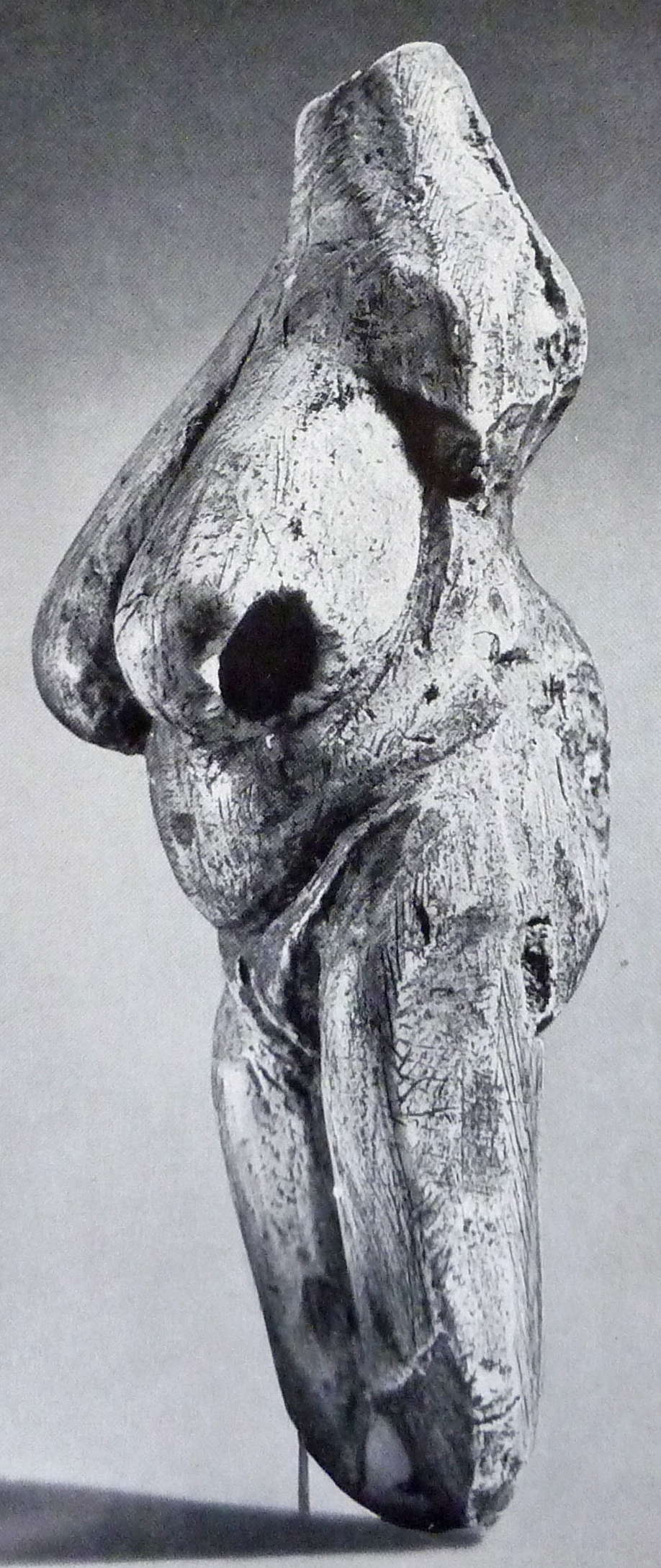
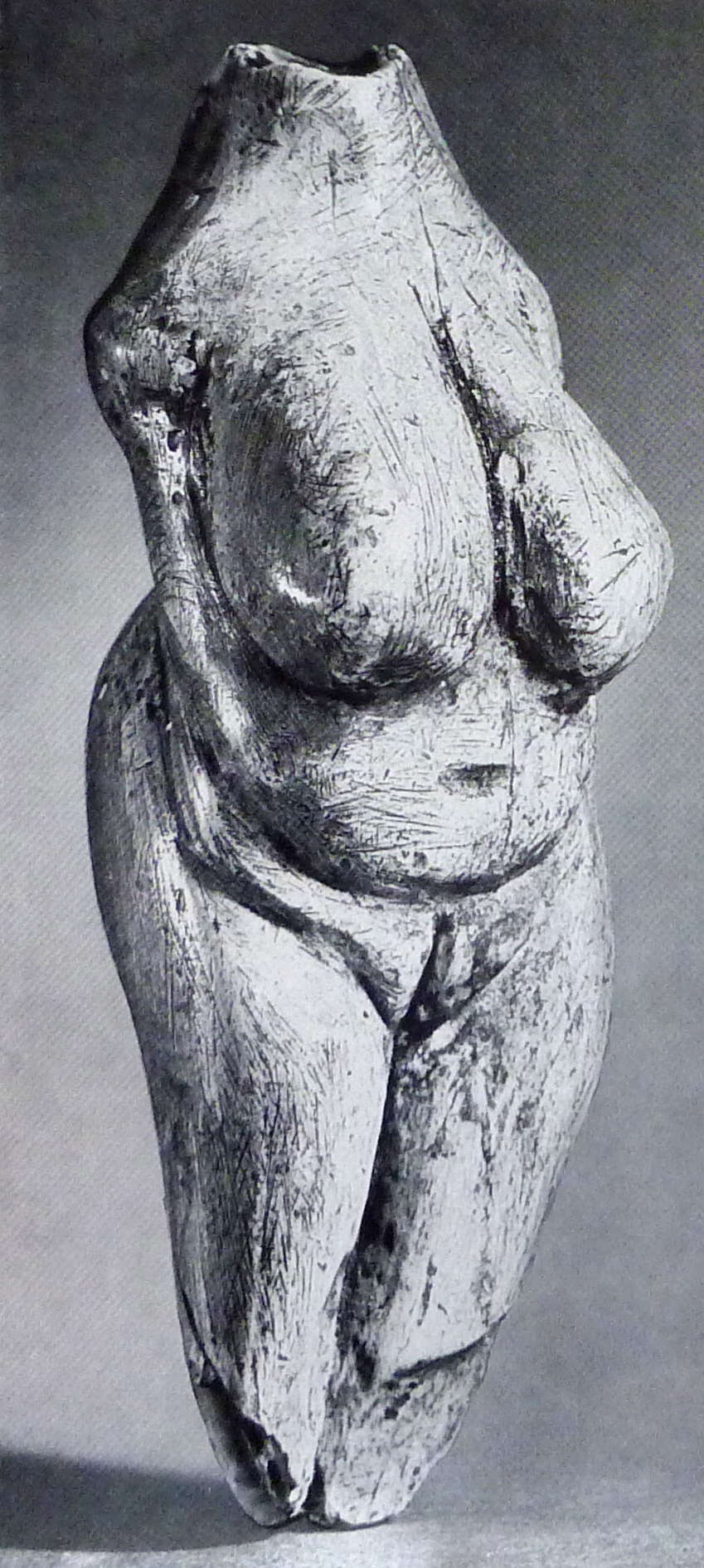
It may be that the venus never had a head. It appears likely that there were never any feet shown, which is normal for venus figures. It can be seen here that the arms are not seen to be important. The left arm is missing, perhaps broken off, but the right arm is barely indicated, and is nothing like life size.
Photo: Drößler (1980)
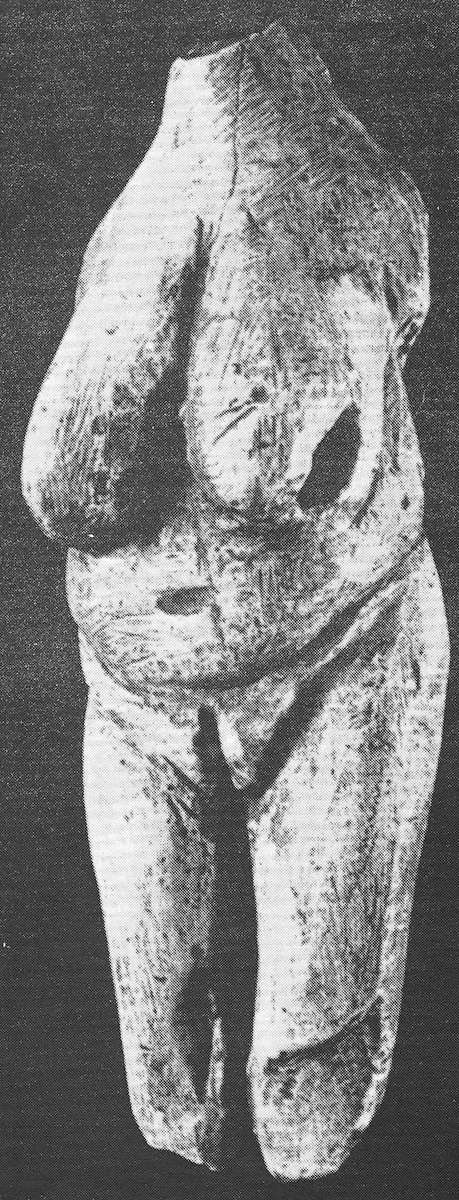
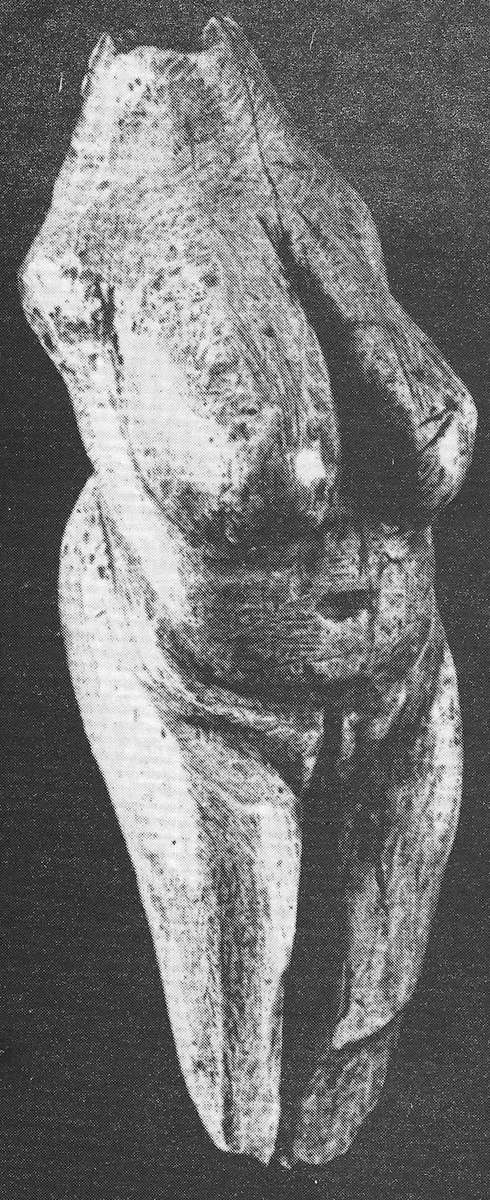
The original Moravany Venus.
Photo: Delporte (1979)
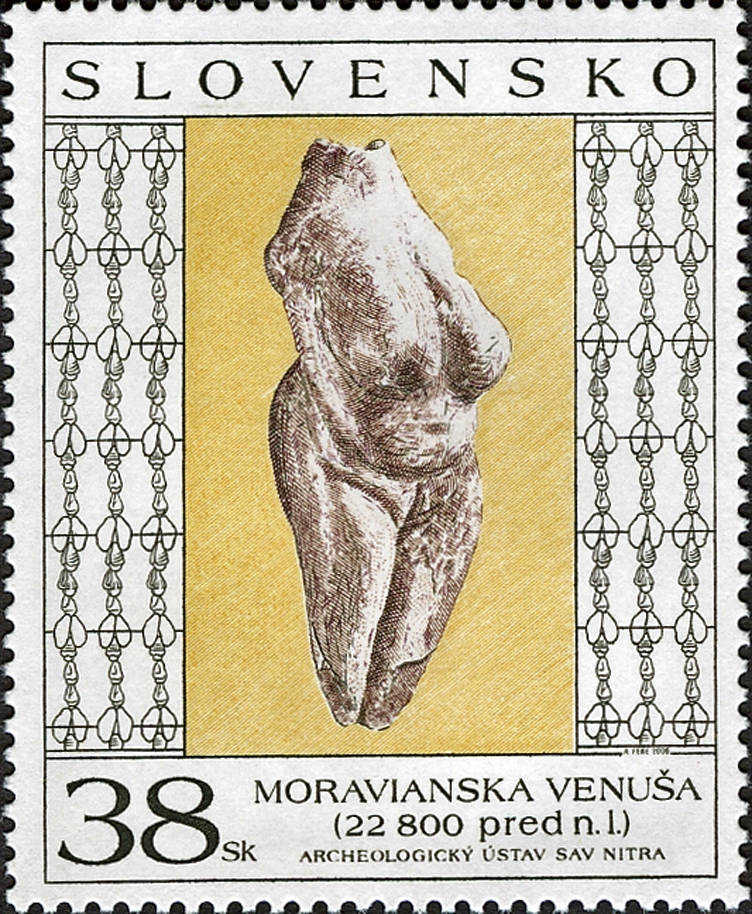
Moravany Venus on a Slovakian postage stamp
Country / Post Slovakia
Date of Issue 20 October 2006
Primary theme Fine Arts (Painting)
Subject Art - Venus of Moravany
Width 44.5 mm
Height 54.0 mm
Denomination 38.00 SKK
Number in set 2 (show set)
Layout/Format sheet of 4
Perforations 12 by 12
Stamp issuing authority Slovak Post
Printer Postal Stationery Printing House, Prague
Photo and text: http://www.wnsstamps.ch/en/stamps/SK019.06
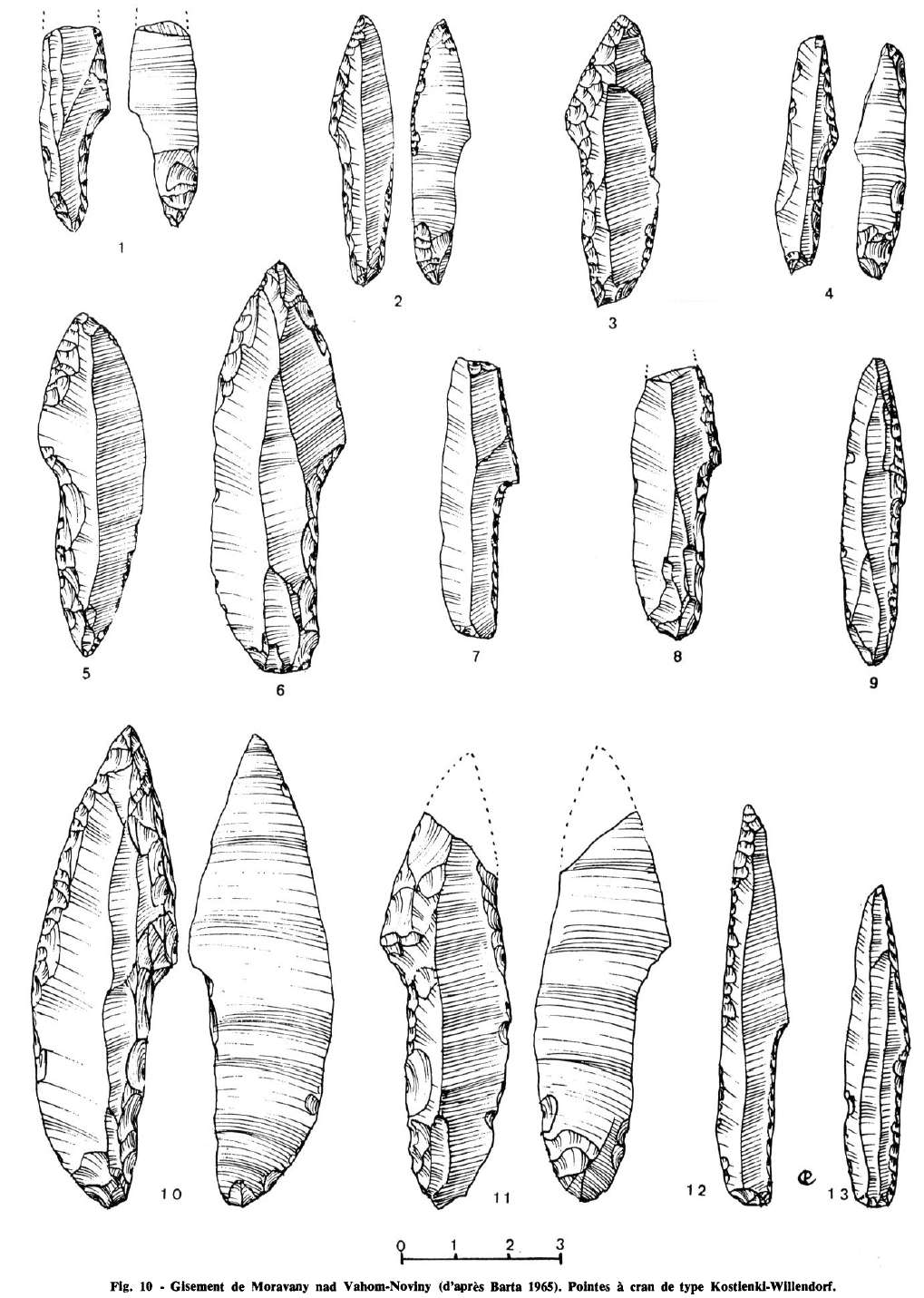
Moravany shouldered points.
In Slovakia, the site of Moravany nad Vahom-noviny (Barta, 1965) has points of the Kostienki notch type.
Photo and text: Onoratini (1978)
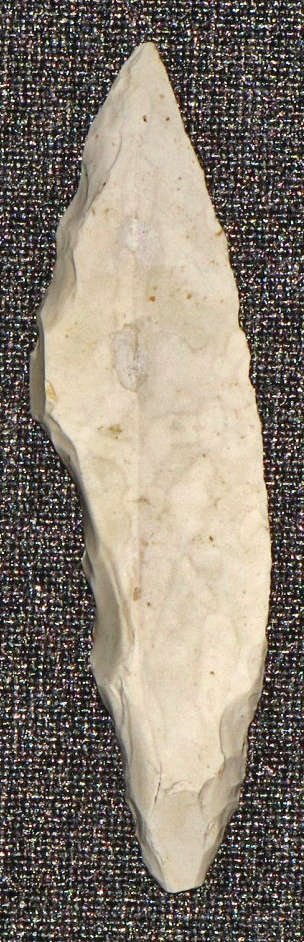
Shouldered point ('Willendorf-Kostenki culture'; 25 000 - 21 000 BP) from the Moravany nad Váhom area. In Middle Europe several sites of this technocomplex are known from Slovakia, Moravia and Poland.
Photo and text: http://www.aggsbach.de/2010/07/shouldered-point-from-the-willendorf-kostenki-culture/

Map of the Moravany area
Photo: http://www.vychovavatelka.sk/ucebne_pomocky/vlastiveda/doplnovacky/moravanska_venusa_viac.htm
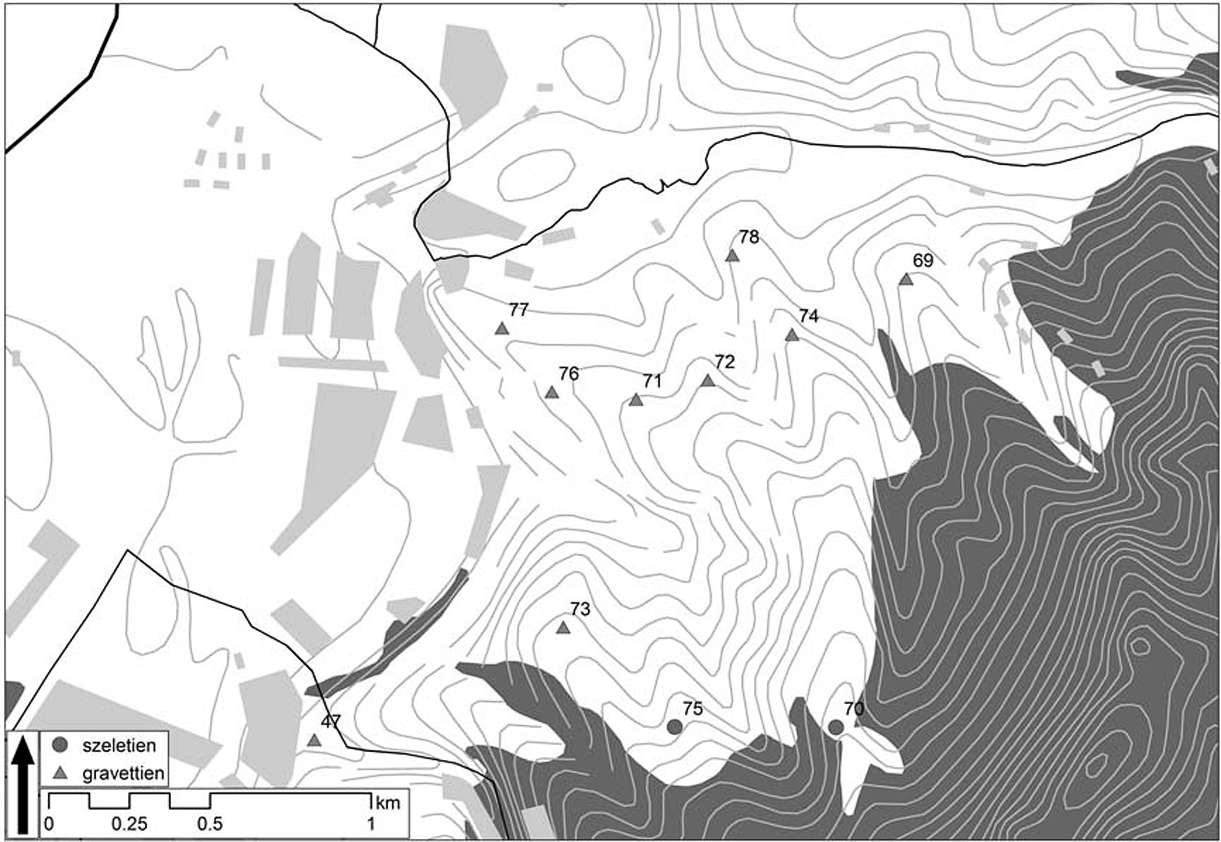
Map of Moravany archaeological sites.
Obr. 20. Poloha lokalít. 69-78 - Moravany nad Váhom.
Typical ages for these sites are, for example, in the case of site 78, 24 230 ± 150 BP, Gravettian.
Photo: Nemergut (2011)
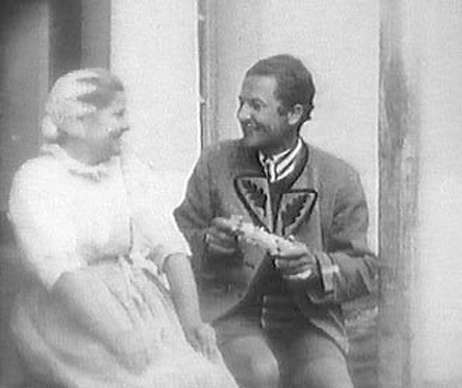
Lothar Zotz, pictured here, a German archaeologist, in a letter dated 15 October 1958 announced that during World War II was obtained from Moravany nad Váhom, a statue of a Venus carved from fossil mammoth tusk, unearthed by an unknown farmer during ploughing in 1937/1938. In order to determine its authenticity, it had been sent to Paris, to the world-famous scientist Abbé Breuil.
The Slovak government asked for the return of all such items, but the Germans rejected all such requests. After the war in Moravany a museum was built, and efforts were continued to get Slovak treasures back where they belonged.
The treasure was determined to be indeed a Paleolithic statue, but just before the expected return of the Moravian Venus, Professor Zotz died suddenly. His assistant and collaborator Gisela Freund, however, undertook to fulfill the promise Zotz and she had made to the Archaeological Institute of the Slovak Academy of Sciences in Nitra and the Moravian Venus to return the venus and to write a paper about the find, which was later published in the journal Slovak archeology. In 1967 the original was permanently returned to Slovakia.
Photo and adapted and translated text: http://www.vychovavatelka.sk/ucebne_pomocky/vlastiveda/doplnovacky/moravanska_venusa_viac.htm
References
- Barta J., 1965: Slovensko v Stradnej době Kamenné Vydavatelstvo Slovenskej Akademie Vied, Bratislava
- Delporte H., 1979: L'image de la femme dans l'art préhistorique, Paris, Picard.
- Drößler R., 1980: Kunst der Eiszeit. Von Spanien bis Siberien., Koehler u. Amelang, Leipzig.
- Nemergut, A., 2011: Sídlisková geografia Považia a Ponitria v staršej dobe kamennej , Disertační práce, Masarykova univerzita Filozofická fakulta Ústav archeologie a muzeologie
- Onoratini, G., 1978: Un nouveau type de pointe à cran Bulletin de la Société préhistorique française, 1978, tome 75, N. 11-12. pp. 522-542.